

Beyond Blaming - When Code Becomes Creation: Ethics, Authority, and Hope at the Margins
When AI turns code into dazzling images, what kind of creators are we becoming—and who has the authority to say “this isn’t okay”? Let's discuss communal divestment and hope.

Part I of a Series on Ethics, Technology, and Creation
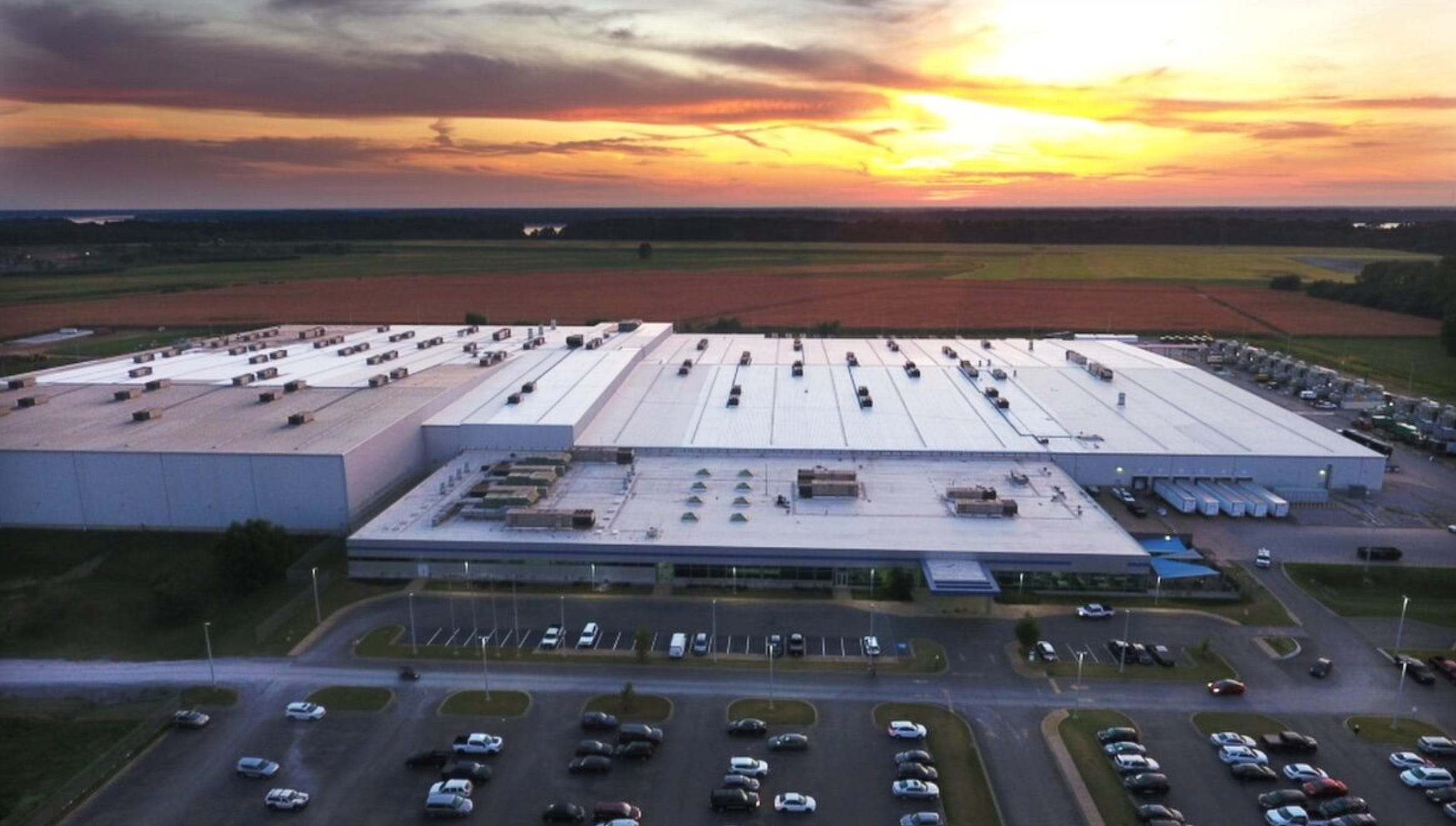
Elon Musk’s xAI data center in South Memphis has become a stark symbol of how the AI boom’s physical footprint falls first on Black and Brown communities. To power its supercomputers, xAI installed dozens of methane gas turbines—at one point 35 units—without proper air permits, making the facility one of the area’s largest industrial sources of smog-forming nitrogen oxides and hazardous chemicals like formaldehyde. These emissions sit on top of an already toxic landscape in predominantly Black neighborhoods such as Boxtown, where residents live near refineries, steel mills, and other heavy industry, and face a cancer risk estimated at four times the national average. Across the South, similar AI and data center projects are driving new gas plants, higher power bills, strained water supplies, and intensified air pollution in Black and Brown communities, a pattern civil rights and environmental justice advocates describe as a new phase of “digital redlining” that continues the long history of siting dirty infrastructure where resistance is presumed to be weakest.
Check out the Southern Environmental Law Center's full report on this data center.
TOOL KIT: How does AI require so much water? Check out this clip from my daughter’s favorite Nigerian cartoon, “Bino and Fino.”
When Code Becomes Creation:
About a week ago, another digital art trend swept across social media: people inserting coded prompts into AI systems to generate breathtaking, surreal images. The results—dreamlike landscapes, symbolic portraits, cosmic visions—spread instantly. Soon, the backlash arrived. Social media decried the enormous energy consumption of data centers powering these images, and rightfully so. Artists protested the theft of data and the erosion of creativity.
But something else surfaced alongside those familiar critiques: a deeper unease about moral authority itself. Who gets to call out others for participating in practices deemed harmful? Whose ethics count, and from where are they spoken?
In our current digital climate, moral authority is both demanded and distrusted. We long for accountability yet resist being held accountable. Perhaps these tensions reveal not only technological anxiety but spiritual confusion—about what it means to live faithfully amid a world of digital abundance and ecological unraveling.
Beyond Blame: The Moral Orientation of Making
It’s easy to pile onto the environmental indictments. The statistics are indeed sobering: AI systems require vast amounts of energy, depend on extractive industries, and reinforce consumer hunger for novelty that accelerates climate breakdown. But rather than restate those facts, I want to probe something more existential.
What kind of creators do we become when creation is reduced to coding?
Artificial generation by algorithm is never morally neutral—it shapes our vision of reality. The practice signals a shift from making as tending to making as producing. From a theological lens, this disrupts the moral rhythm of natural law—the idea that creation bears its own sacred boundaries and meaning. When we disregard those boundaries, creation becomes mere raw material for manipulation rather than a communion we receive and nurture.
Ethics at the Margins
My perspective arises from what Miguel De La Torre refers to in his book “Doing Christian Ethics From the Margins.” I’m using this text in my Christian Ethics course at Gammon Theological Seminary to present De La Torre’s vision of moral discernment grounded not in the comfort of the powerful but in the endurance of those most affected by exploitation and ecological harm. From the underside of empire, ethics begins with survival, storytelling, and communal care.
Here, my work as an ecowomanist (I’m dabbling in calling it Womanist Environmental Ethics) offers a vital corrective. It roots ethical reasoning in the collective experiences of Black women and other marginalized communities who have long practiced sustainability not as ideology but as communal praxis—gardens, mutual aid, shared knowledge, DIVESTMENT, and worship that honors the earth.
Ecowomanism (Womanist Environmental Ethics) as Formation
Ecowomanism does more than analyze injustice; it forms moral vision through the daily lives of those living close to both creation and crisis. It is a spirituality of making and mending, where ethical awareness is cultivated not in abstraction but in kitchens, gardens, riversides, and sanctuaries.
In this way, ecowomanism functions as moral formation from below. It trains the heart to perceive the sacred in soil and the communal in survival. To live ecowomanistically is to be shaped by practices that reorient how we relate to the Earth—composting, sharing food, honoring ancestry, telling truths about environmental harm. These acts remake the self, the community, and the imagination simultaneously.
Formation here is not individual moral perfection; it’s collective attunement to God’s ongoing creation. Through prayer, care, and protest, ecowomanist formation cultivates what Katie Cannon once called “embodied ethics”—where lived experience, not detached theory, becomes the source of moral wisdom.
In that sense, ecowomanism is not simply an ecological ethic—it’s a pedagogy for becoming human well.
From this vantage point, divestment is not moral purity; it’s moral formation. We withdraw where we can, resist where it matters, and keep faith with each other, knowing the work will never be complete.
Authority and Witness
So when people shame others for joining the latest AI trend, I find myself wondering: What kind of moral authority do we claim when we call someone out?
And shaming people for bringing attention because of a lack of absolutism with their involvement with AI does not help, either.
We might instead move toward an ethic of care that not only names the harm but also shares information alongside concrete practices of communal praxis, inviting all of us into divestment from the institutions that dominate our imaginations and public life. In doing so, we begin to embody this ethic by circulating truth and coupling it with actionable, shared alternatives.
Within Christian ethics, true authority arises not from self-righteousness or online performance but from embodied witness—living the truth one proclaims in community. Ethical credibility is relational; it grows through humble presence, not performative critique.
Too often, “ethical outrage” becomes another algorithmic spectacle—an ethical image generated by code. But moral witness is slower and more human. It looks like digging in soil, not scrolling a feed; organizing a neighborhood compost drive rather than broadcasting condemnation.
The Church as an Alternative Community
In moments like this, I part ways with Stanley Hauerwas at the point where his emphasis on the church as an alternative community risks obscuring Christian accountability for what’s happening in the wider world. His insistence that ‘the world is not our project’ can, in practice, underplay the concrete responsibility Christians bear for policies, economies, and technologies that harm vulnerable neighbors and the earth, even when those harms unfold outside the walls of the church. We see this in Christian Nationalist merch like this:

Stanley Hauerwas suggests that “the world is not our project.” As we participate in AI trends, we unconsciously say, “Memphis is not my project.” Hauerwas argues that when Christians measure faithfulness by effectiveness or success, we mirror the very powers we claim to resist. I challenged my class with this question: “Christianity is not measurable, but the effects of justice work done in the name of Christ are being experienced by many African Americans today, thanks to the prayers and works of Harriet Tubman, right?”
If the world isn’t our project, then the Church’s role is to embody an alternative economy of attention—to live differently within technologies we cannot fully escape. The Church doesn’t compete with empire by building its own version of utopia; it becomes a signpost of another way to love, create, and live.
So, we can have “active patience,” as Hauerwas calls it…but this kind of patience involves work (divestment), building, praying, and protesting without illusion. It’s the posture that allows for hope without sentimentality, critique without cynicism.
Hopeful Realism at the Edge
De La Torre’s ethics and an ecowomanist praxis remind us that hope is not a mood but a method: a way of acting where despair would seem most reasonable. We can be both realistic about our entanglement in harmful systems and hopeful about what small, communal acts can still redeem.
Divestment, in this sense, is a discipline, not a moral performance. We will never be 100% clean, green, or pure. But we can be 100% honest, patient, and imaginative—refusing apathy without pretending perfection.
To be human is not to generate endlessly, but to receive rightly.
In learning again how to receive, perhaps we recover the sacred art of restraint.
About This Series
This essay begins an ongoing series on Ethics, Technology, and Creation—a space to explore questions of moral formation, communal practice, and hope at the margins. Future pieces will examine digital imagination, divestment as a spiritual discipline, and theologies of embodiment in a data-driven world.
If this reflection resonates with you, subscribe or share a comment—I welcome conversation from all those exploring what faithful ethics might look like in our technological age.